Master CBD Tincture Absorption and Spoilage Detection in 30 Days
In the next 30 days you’ll be able to do three practical things: test how well a CBD tincture absorbs for you, tell whether a bottle is losing potency or has spoiled, and take steps that meaningfully extend shelf life. This is not theoretical. You’ll run simple at-home checks, interpret lab Certificates of Analysis (COAs), and decide when to toss a bottle or ask for a replacement.
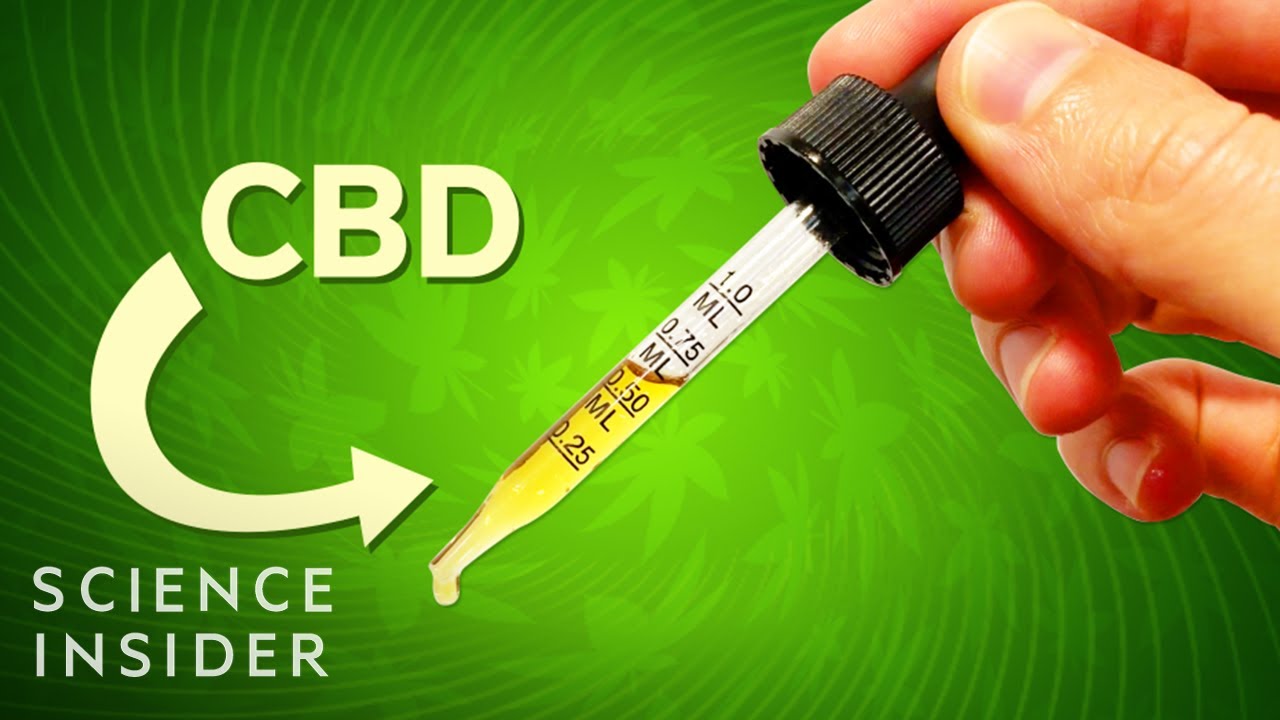
Quick Win: Two-minute check you can do now
- Look at the bottle: is the oil noticeably darker than when new? Any floating white fuzz? If yes, set it aside. Open it and smell: a fresh tincture has a mild hemp or carrier-oil scent. Rancid smells like cardboard, wet socks, or paint. If rancid, stop using it. If you keep buying tinctures, always save the batch number and COA link when you open a new bottle.
Before You Start: What You Need to Test and Compare CBD Tinctures
Gathering a few simple items and documents will make your testing reliable and repeatable. Don’t skip the COA — it’s the single most useful paper trail for quality.
- At least two tincture bottles for comparison (same brand, different age or batches if possible). Certificates of Analysis (COAs) or batch lab reports, ideally HPLC data showing cannabinoid concentrations, terpene profile, and tests for pesticides, solvents, and microbes. Small notebook or spreadsheet to log observations and dosing responses. A reliable scale or measuring syringe for consistent dosing. Kitchen measuring spoons are too imprecise for repeat tests. Cool, dark storage space for controlled experiments (a drawer or fridge works). Optional: an at-home cannabinoid test kit if you want a rough potency check before sending to a lab.
Your Tincture Testing Roadmap: 8 Steps from Drop to Diagnosis
Visual inspection. Hold the bottle to a light. Look for cloudiness, sediment, or visible mold. Slight settling is normal for full-spectrum extracts, but fuzzy clumps or particulate matter are red flags. Smell and simple taste test. Put a drop on your wrist. Fresh oil smells mildly herbal or nutty depending on the carrier. Rancid oil smells stale, like cardboard or old nuts. If the smell is off, don’t taste more than a tiny amount. Check the COA and batch number. Match the bottle’s lot number to the COA. Confirm cannabinoid mg/mL matches label claims. Look for negative results on microbial, pesticide, heavy metal, and solvent screens. Run an absorption test - sublingual method. Use a consistent dose (for example, 10 mg CBD). Place under the tongue and hold for 60 to 90 seconds before swallowing. Log how long it takes to feel any effects and the intensity. Typical onset is 15 to 45 minutes sublingually. Run an oral (swallowed) test for comparison. On a different day, take the same dose swallowed with 10-20 g of dietary fat (yogurt, avocado). Oral onset often takes 45 to 120 minutes, with lower peak bioavailability but longer duration. Compare between bottles or batches. Use the same dose and same conditions. If a newer bottle takes longer to work or feels weaker, potency loss or formulation variance may be the cause. Consider a third-party HPLC test if results look suspicious. A lab test will confirm cannabinoid levels and detect degradation products. This is the definitive route if you suspect spoilage or fraud. Document and decide. If you find a rancid smell, visible contamination, or COA mismatch, contact the vendor and stop using the product. If the only issue is slight potency loss, you can still use lower-risk dosing strategies or discard it based on symptom response.Avoid These 7 Mistakes That Make CBD Look Spoiled When It's Not
- Storing in light or heat. Clear bottles and warm cabinets accelerate oxidation and color change. Store in amber glass, cool and dark. Confusing color change with spoilage. Many full-spectrum tinctures darken as terpenes oxidize. Darkening alone doesn’t prove spoilage. Pair color observations with smell and COA checks. Relying solely on marketing claims. A nice label means nothing without a batch COA. Ask for the COA and match the batch number. Overinterpreting mild sediment. Plant-derived extracts may have harmless particulate that can be filtered. Fuzzy growth or soft clumping are different and suspect. Doing absorption tests without consistent dosing. If the amount varies, you can’t compare. Use the same dropper and measure by weight or calibrated syringe. Assuming the cheapest option is the same quality. Low cost often means weak extraction or poor testing. You may save money up front, but potency and purity suffer. Failing to consider personal variables. Absorption differs with body fat, recent meals, and concurrent meds. Test the same way each time.
Lab-Level Techniques to Preserve and Boost CBD Absorption and Shelf Life
If you want durability and better uptake, use techniques brands use. Some are simple and safe for home users; others require lab equipment. I’ll flag which are DIY-friendly.
Packaging and storage - high impact, low cost
- Use amber glass bottles with tight droppers to limit light and air exposure. Plastic leaches over time. Store oils at 15-20 C (59-68 F) when possible. Refrigeration can extend shelf life but may thicken MCT or hemp seed oils temporarily. Reduce oxygen headspace. For home bottles, fill to the top after opening if you plan to store long-term, or transfer to smaller containers as you use product.
Formulation choices that improve absorption
- MCT oil is a common carrier that supports faster uptake than heavy seed oils for many users. Liposomal or nanoemulsion formulations can boost oral bioavailability. These require specialized equipment to produce reliably. For consumers, look for brands that provide particle-size data or third-party testing for these claims. Addition of small amounts of piperine (black pepper extract) can increase absorption of some compounds. Be cautious if you take other medications — piperine affects liver enzymes and can alter drug levels.
Stability tactics used in manufacturing
- Nitrogen flushing and low-oxygen filling reduce oxidative degradation. This is not DIY-friendly but look for brands that state inert-gas packaging. Adding natural antioxidants like vitamin E (tocopherols) can slow rancidity in fatty carriers. This is easy to do at the manufacturing stage, not necessary for occasional home use. CO2 extraction tends to produce cleaner extracts with fewer residual solvents and a stable terpene profile, which helps shelf life.
Contrarian takes: what the marketing glosses over
- Full-spectrum is not categorically better for everyone. While broad compound profiles can help some people, isolates offer consistent dosing and fewer variables for people on medications or who need exact mg counts. A COA doesn’t guarantee a safe product. Fake COAs exist, and some reports are incomplete. Always match batch numbers and, when in doubt, get an independent test. Expensive packaging doesn’t equal better preservation. Thick amber glass and proper sealing matter more than a fancy box.
When a Tincture Fails: How to Troubleshoot Absorption and Quality Problems
Below are common failure modes and what to do next, with exact actions you can take.
Problem: Weak or no effect after consistent doses
- Try holding the tincture under your tongue for 60-90 seconds. If you swallowed it before, that changes absorption. Repeat the dose with a small fatty snack. If effects appear stronger, the issue was oral bioavailability. Check the COA for actual mg/mL. Labels sometimes overstate concentration. If potency on COA is much lower than label, contact the seller.
Problem: Off smell or odd taste
- Do not use if smell is definitively rancid or if there is a moldy odor. Take photos and contact the vendor for a return. For borderline cases, perform a patch test on the skin before oral use, and consider a small dose to see if it causes irritation.
Problem: Visible contamination or fuzz
- Stop use immediately. These are signs of microbial growth or contamination. Save the bottle and COA, and escalate to the seller or regulator if needed.
Problem: Confusing COA or missing tests
- Request the full lab report and COA with a lab accreditation stamp. If a brand can’t produce it, avoid the product. For peace of mind, send a small sample to a reputable third-party lab. Expect turnarounds of a few days to two weeks and modest fees.
Final practical rule: if a bottle makes you uneasy at any stage - visual, smell, or testing - discard it. CBD products are inexpensive relative to the risk of consuming degraded oils or contaminated extracts.
Final checklist before you buy or keep a tincture
- Does the bottle have an accessible COA with matching batch number? Is packaging amber glass with a tight dropper? Is the smell fresh and herbal, not stale or chemical? Does absorption respond predictably when you hold it sublingually and when you take it orally with fat? Is the vendor responsive to questions about testing and storage?
Run through this process once and you’ll radaronline.com gain confidence quickly. Over a month you can track how different storage and dosing methods change outcomes. That hands-on data will save you money and keep you away from bad products marketed with glossy claims. Be skeptical, test rigorously, and when in doubt, choose transparency and documentation over marketing.